May 16, 2019
I have always had animals, basically my entire life. As we all know, with that comes cleaning all manner of bodily fluids and other substances. But I really didn’t know the ins and outs of poop until I got goats.

My goats are not working goats, unless you count them working to crack me up. Generally speaking, goats that are kept as pets should not be given grain regularly, only as a snack or a training tool. It’s too protein rich and upsets their stomachs. It also contains a bunch of calcium, which can lead to kidney stones in wethers. If your female goat is going to breed, is pregnant or lactating, grain can be okay. This is information that I had seen during my research but clearly failed to apply. I gave my goats grain daily until their cute little butt berries turned into scours, or diarrhea, that came out like an open faucet. Silly me, I made my own little kids sick! So, I stopped feeding them grain and in just a couple days, there were totally back to normal. Goat diarrhea is really disgusting and I highly recommend avoiding it at all costs.
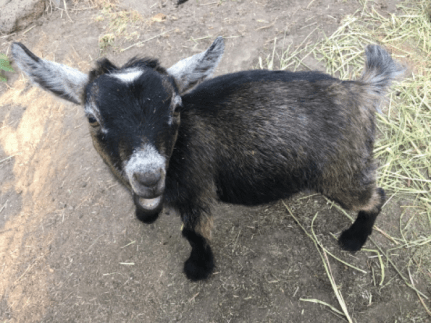
Another reason for diarrhea in goats is coccidia or coccidiosis. This is a common parasite in animals and, for the most part, does not cross species. Both of my goats have recently come down with this, my wether more affected than my doe. Other symptoms, besides scours, include loss of appetite, a less social animal, and lethargy. Don’t take my word for any of this, do your own research and make sure you’re educated. I’m by no means an expert.
In my (somewhat limited) experience, there are a couple of options for the treatment of coccidiosis and you should learn about all of them. There is Corid (amprolium), Sulmet (sodium sulfamethazine) or Albon (sulfadimethoxine). The first instance of coccidia my (former) vet prescribed Corid. There are four ways to use Corid. There’s a five-day treatment for drenching and a five-day treatment for medicating their drinking water. Then there is 21-day drenching and medicated drinking water for the prevention of coccidia. I used the medicated drinking water for five days the first time around and it reared its ugly head again. This time I opted to drench my goats. I think the failure the last time was that a medicated drinking water doesn’t give any indication of how much medicine the goats actually get…what if one goat drank more water than the other? I think drenching gives a lot more control. The thing that you need to know about Corid, however, is that is works by depriving the parasite of Vitamin B. You know the one…the vitamin that you need to keep your nerves and blood cells happy and to avoid certain anemias. Well, in doing this to the parasite, Corid also does this to the host. Usually after a couple of days the host will bounce back…but three back to back to back treatments does not a healthy animal make. And Woody, the wether, was really droopy and lethargic. It was assumed by my former vet that the continuing scours was a continuing symptom of the coccidiosis and I didn’t know enough about goats to know any better. It was scary and I thought I would lose him. I called a different vet and we talked about all these details that my initial vet failed to fill me in on. I took him off the meds and his coccidiosis AND Vitamin B deficiency were corrected after a few days of a normal diet.
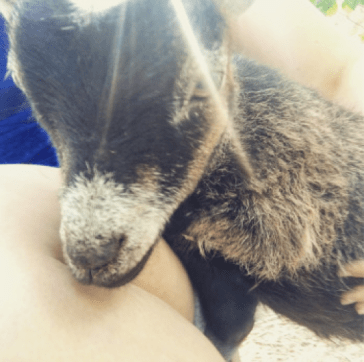
I can’t explain the relief I felt when I went out to the goat yard and found ALL NORMAL POOP for the first time in WEEKS. I was ecstatic.
As we head into spring, parasites and other intestinal woes like worms are becoming more prevalent. You should be keeping an eye what is leaving your animals bodies and treating immediately when you see symptoms of illness. Additionally, if you are giving medication to an animal it’s vital that you do your research about how it works and the side effects!
Do you have any experience with coccidiosis or other intestinal parasites in goats? Any preference for treatment methods?
 villammeamfarm.com